A successful product launch event starts with a clear goal, is staged with the right venue and technical production, extends its reach through digital registration and social media, and ends with structured follow-up. The checklist below walks through each step of corporate launch planning in order. Adapt it to your own timeline and use it as a shared plan for everyone involved.
1. Define the goal and the audience
The first question in any launch plan is simple: what should be different after the event? Press coverage, dealers who are ready to sell, or a first wave of orders each call for a different format.
- Primary goal: awareness, sales, dealer training or investor relations
- Audience: press, dealers, customers, employees or a mix
- Success measures: registrations, attendance rate, media coverage, post-launch enquiries
- Budget range and who gives final sign-off
Once the goal is clear, it becomes much easier to decide on the duration, the format (stage presentation, hands-on experience area or hybrid broadcast) and the number of guests.
2. Choose the venue and technical setup together
Venues are often chosen on capacity and location alone, but the technical infrastructure matters just as much. Ceiling height, rigging points, power supply and load-in access all shape the stage and LED screen you can actually install.
- How many hours are available for the build and the strike?
- Are there suitable rigging points for truss and lighting?
- Is the venue’s power supply sufficient, or will you need a generator?
- For outdoor events, is there an indoor fallback in case of rain?
Bringing your technical production team on the site visit prevents surprises on build day.
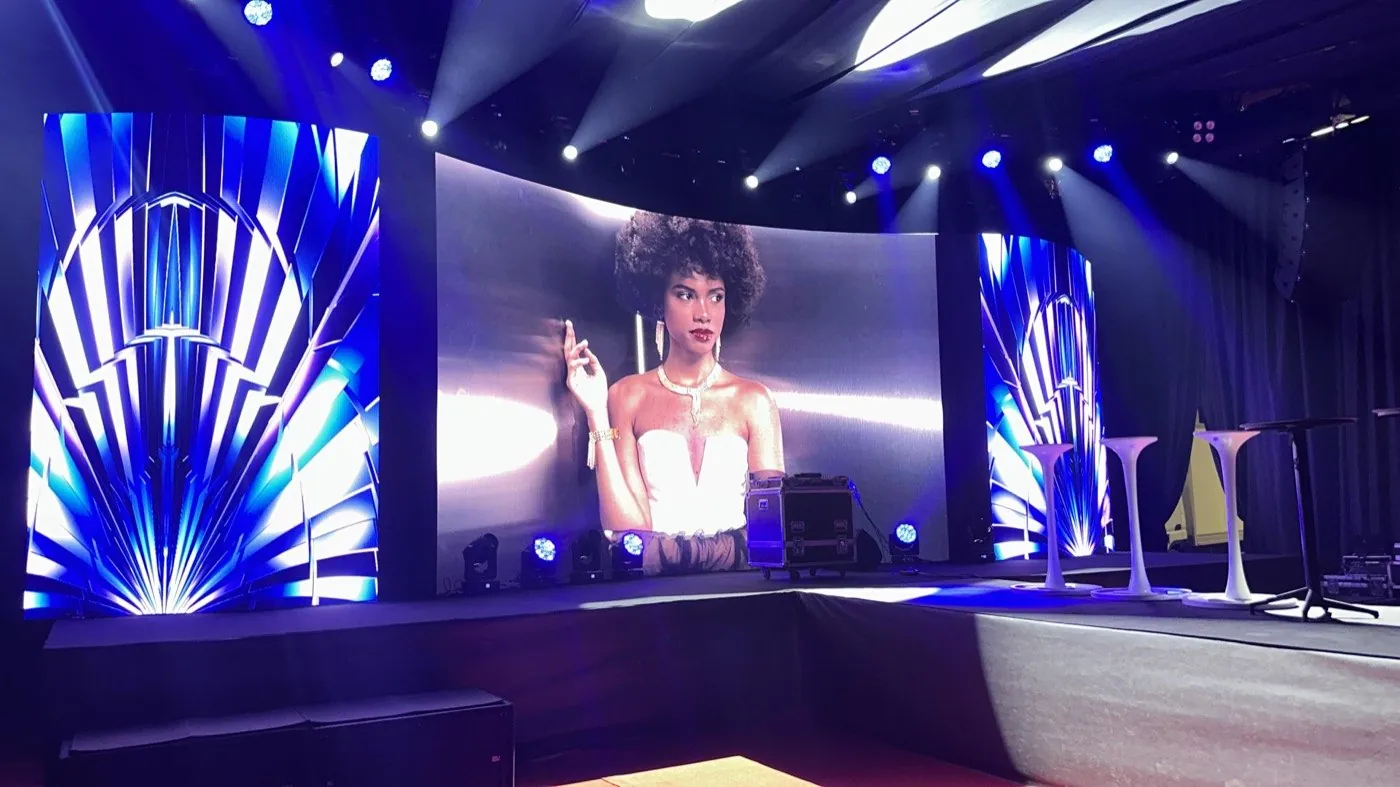
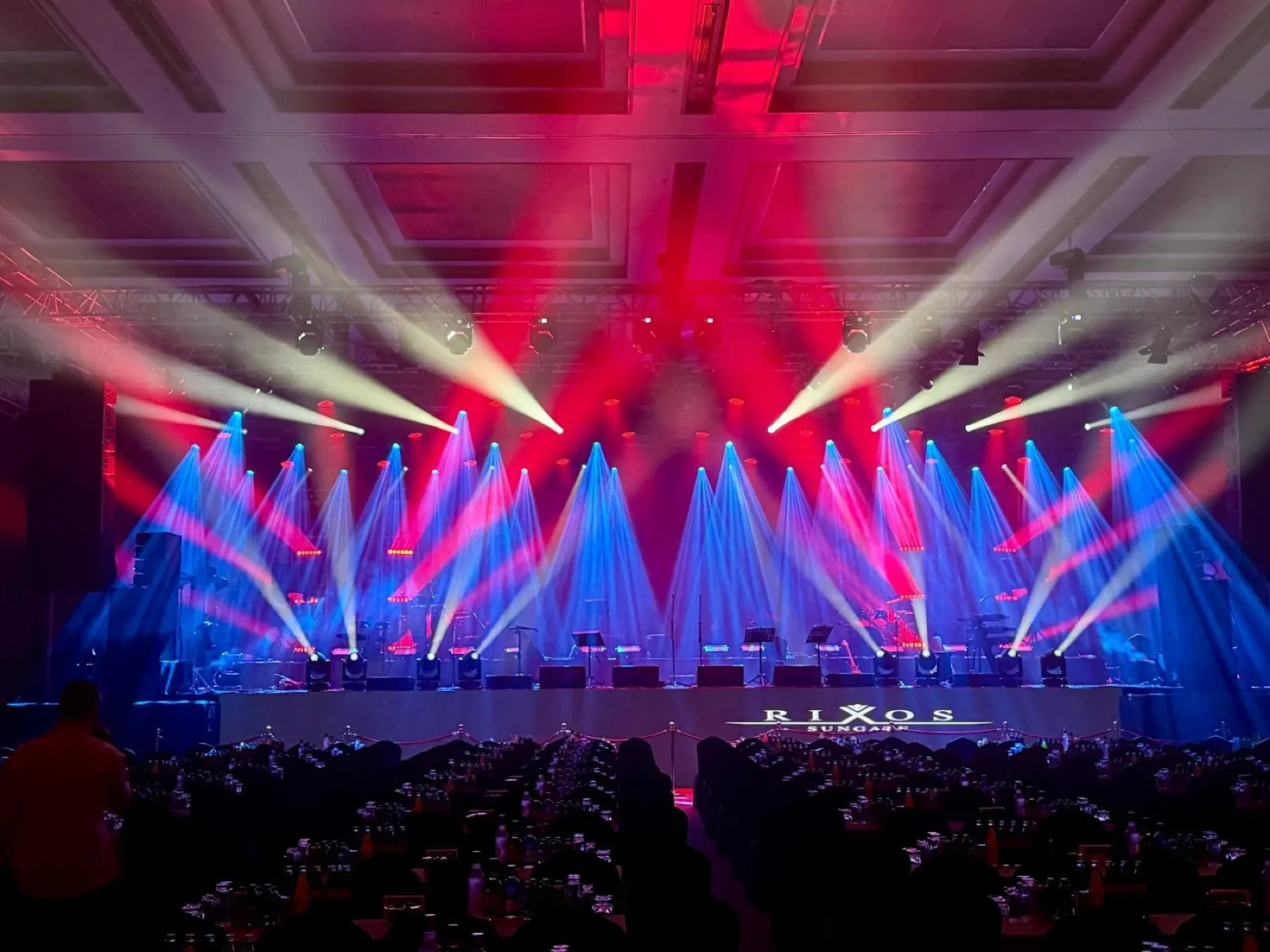
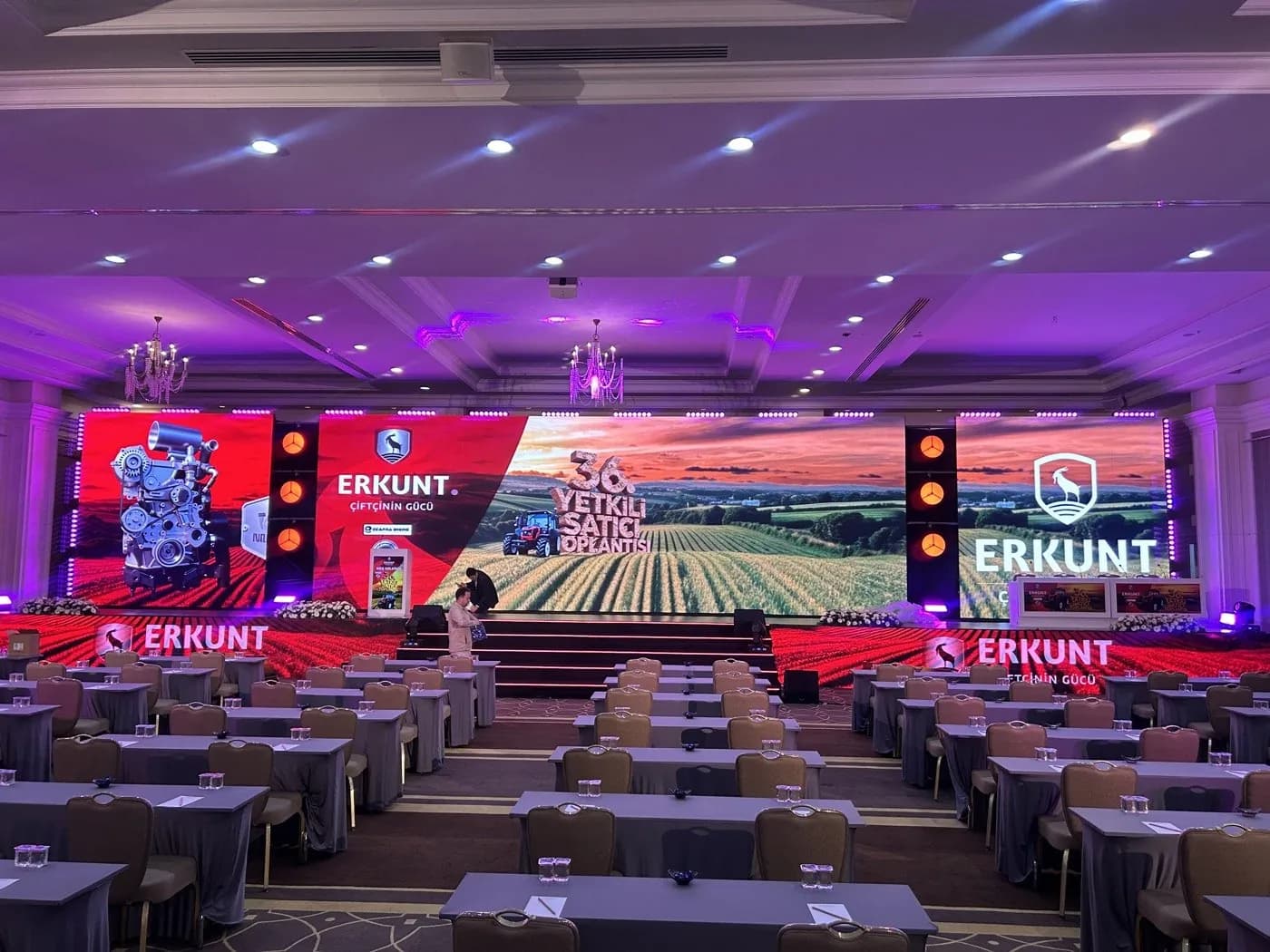
3. Plan the stage, sound, lighting and LED screens
At a corporate launch, the stage is where the product is seen for the first time. The technical design should therefore follow the running order: when is the reveal, when does the video play, and where does each speaker stand?
- Stage size and height: matched to guest numbers and sightlines
- Sound: speaker placement for clear speech, plus spare wireless microphones
- Lighting: presenter lighting, product highlights and a colour temperature suited to filming
- LED screens: content resolution, pixel pitch and a size suited to viewing distance
- Rehearsals: separate slots for a technical rehearsal and a full run-through
BernStage plans stage, sound, lighting and LED screens as one package as part of its event production services in Turkey. Working from a single technical plan reduces the risk of equipment and content not fitting together.
4. Build the digital side: launch page and registration
Guests usually form their first impression of the event from a launch page. It carries both the invitation and the registration process, so it needs to work flawlessly.
- A fast, mobile-friendly launch page
- A registration form, confirmation email and calendar invite
- QR codes or a guest list for quick check-in
- A streaming page with access control if you broadcast live
- A redirect to the product page once the event is over
Whether you build the page from scratch or add it to your existing site, planning the web development work alongside the event timeline avoids a last-minute rush.
5. Social media: before, during and after
Social media carries a launch well beyond the room. Thinking about content in three phases keeps the workload manageable.
- Before: teaser posts, countdown stories, guest and speaker announcements
- During: live stories, short clips from the stage, product close-ups
- After: a recap carousel, a thank-you post, press highlights
If brand tone and approvals are not agreed in advance, content gets stuck waiting for sign-off on the day. BernSocial brings brand rules, content production, client and team approvals, scheduling and Instagram publishing into one workflow, which helps keep launch content on schedule.
6. Launch day and follow-up
Launch day should be run from a detailed run of show. It sets out a minute-by-minute schedule, an owner for every item and a fallback plan for anything that could go wrong.
- A shared communication channel for the technical crew and stage manager
- A backstage briefing and timing cues for speakers
- A photo and video shot list
- A thank-you email with presentation materials within 48 hours
- A short debrief report based on registration, attendance and social media data
If you would like to plan your launch, from the stage to the landing page, with a single point of contact, tell us about your project.