An event social media plan turns a gala, concert or product launch into weeks of content rather than a single night of posts. It works in three phases: building anticipation before the event, capturing and sharing during it, and repurposing the material afterwards. Below, we walk through what to produce in each phase, how to build a shot list, why the lighting crew matters, and how to set up approvals and scheduling.
Why one night of posts is not enough
Events take weeks of planning, a real budget and a lot of people’s time. Yet on social media, many of them get a handful of stories on the night and one recap post the next morning. The stage, the speeches and the atmosphere disappear from the feed within hours.
A planned approach treats the event as a content source. One evening can supply teasers, speaker quotes, behind-the-scenes clips, carousel recaps and an archive you can draw on for weeks. The goal is not to post more for its own sake, but to get more value from the work that went into the event.
Before the event: build anticipation
This phase usually starts two to four weeks out. The aim is to prepare attendees and followers, so content should be short, clear and anchored to the date. Useful pre-event content includes:
- A date and venue announcement, adapted separately for feed posts and stories
- Introduction cards for speakers, performers or hosts
- Short behind-the-scenes clips from rehearsals, set builds and sound checks
- Countdown stories and registration or RSVP reminders
- An event hashtag and a consistent visual style introduced early
Keep each brand’s voice intact throughout. A corporate launch and a concert should not sound the same, so the plan needs to follow the brand’s own rules on tone, language and sensitive topics.
On the day: a shot list and live coverage
The most common mistake on event day is deciding what to film once you are already on site. A shot list prepared in advance keeps the content team focused, even in a crowded room. A basic list might cover:
- Wide shots of the venue, both empty and full
- The opening, the first speech and the closing moments
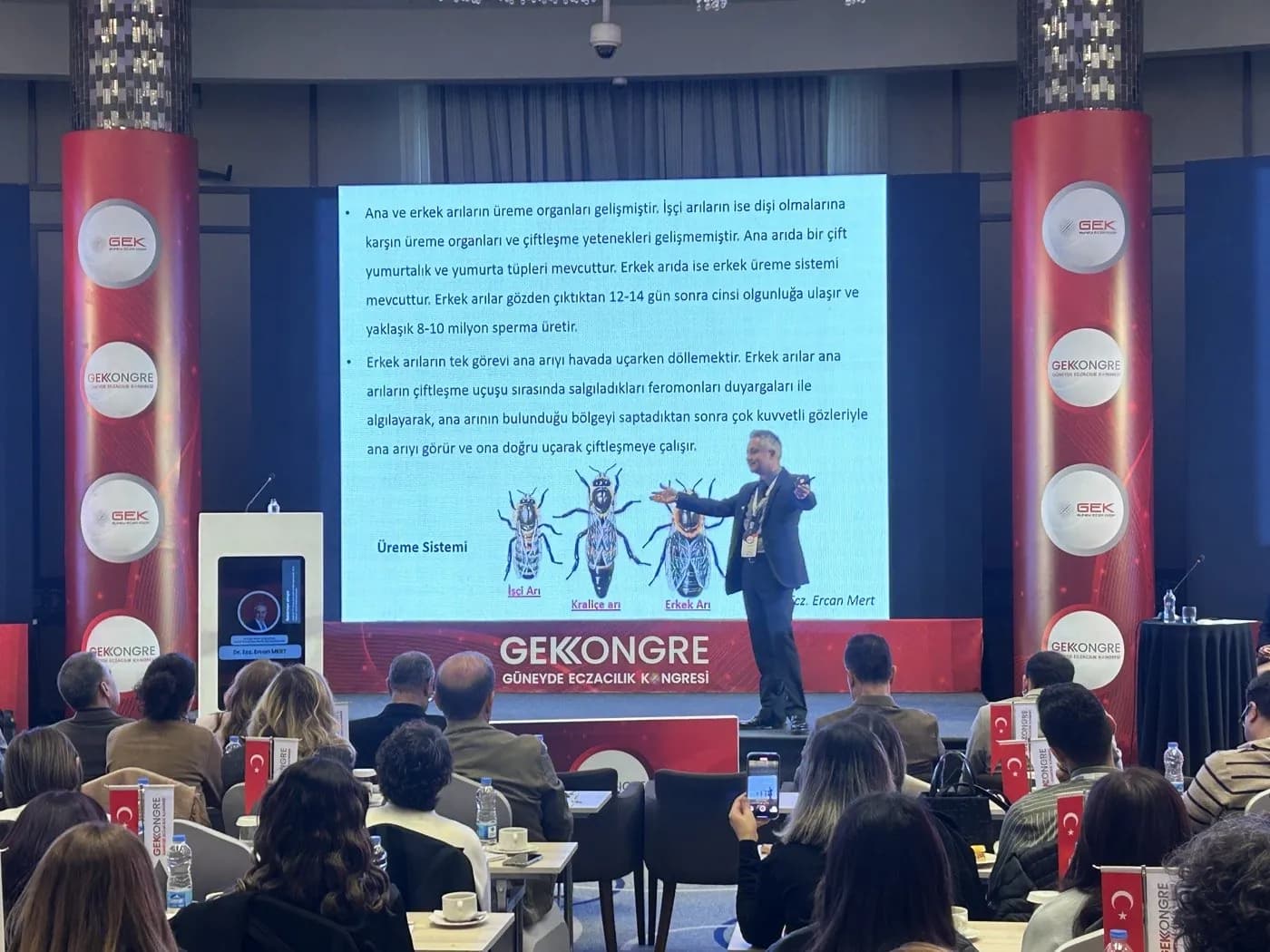
- Short speaker clips that can later become quote content
- Guest reactions and candid moments, with consent rules agreed in advance
- Close-ups of products, decor and brand details
- Separate takes for vertical (stories and reels) and horizontal formats
Speed matters for live posting, but unchecked posting is a risk. Before the event, agree which content can go out without sign-off and which must always be approved first.
Good light makes good content
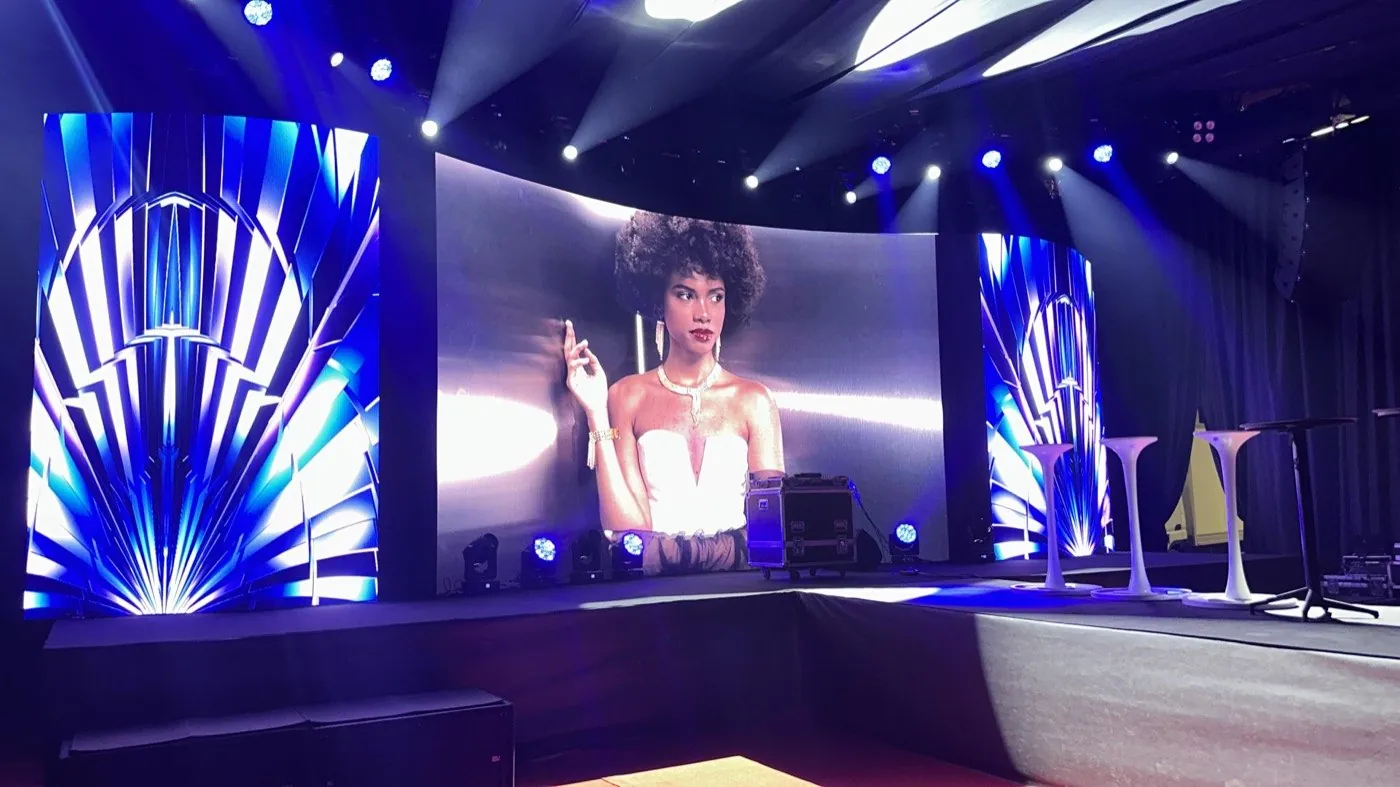
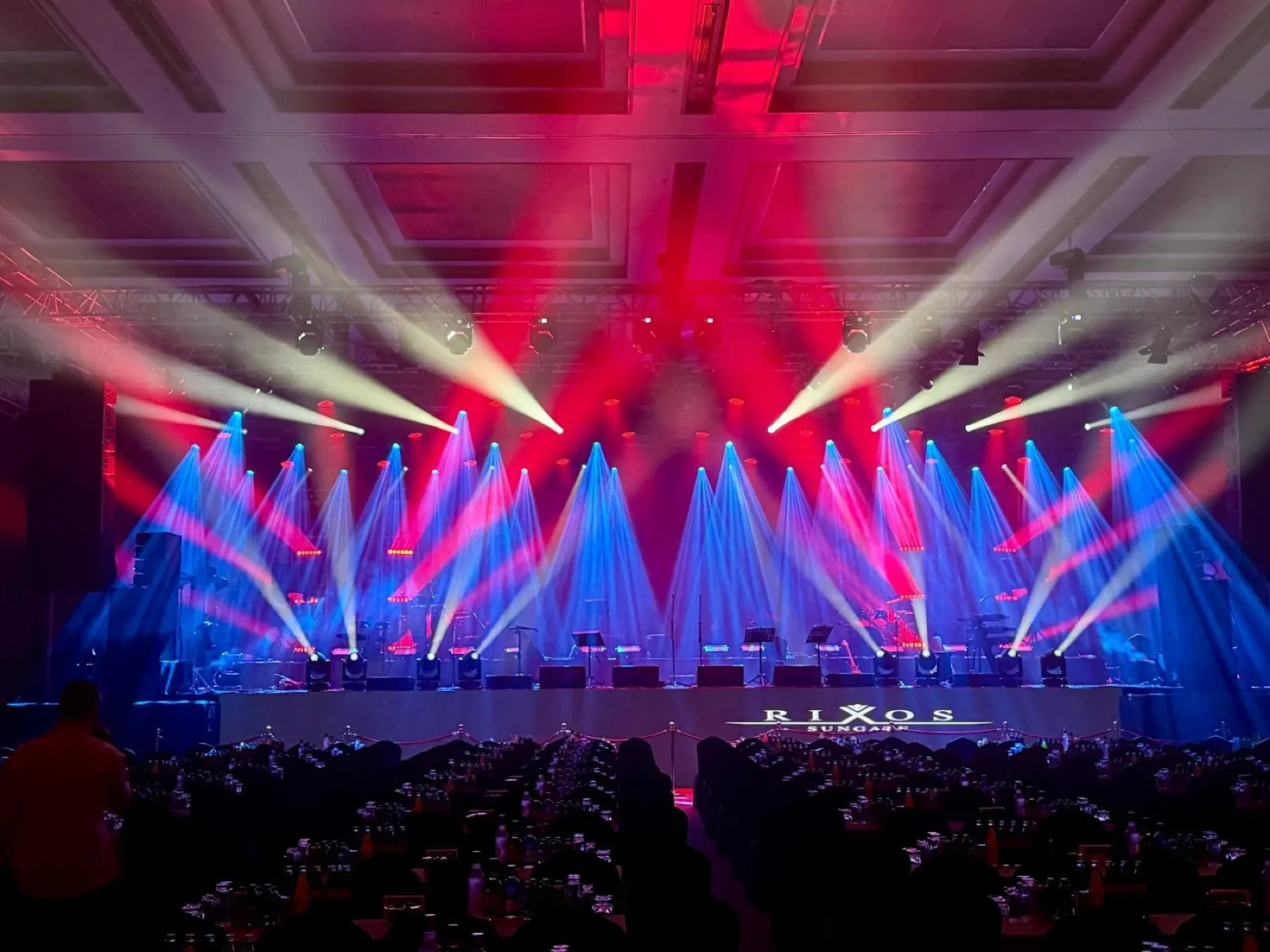
A lighting design that looks stunning from the audience does not always translate to a phone camera. Saturated reds and blues can distort skin tones, and low light leads to grainy footage. That is why a short coordination meeting between the content team and the lighting crew pays off.
Use that meeting to agree on enough light on faces during speeches, LED screen brightness that does not blow out the camera, and the timing of key moments. A content team that knows the running order will be in the right spot for the reveal. When stage, sound, lighting and event production are run by one team, this coordination is far easier to arrange.
After the event: make the content last
Post-event content is the most neglected part of the plan, yet it has the longest shelf life. Over the two to four weeks that follow, archived material can be reworked into new formats: a thank-you post, a highlights carousel, speaker quote cards and a short recap video.
This content tells the story to people who could not attend and builds a reference point for your next event. Archive footage can also feed future campaigns and seasonal posts. In practice, a single evening becomes a visual library you can use for months.
Set up approvals and scheduling from day one
Approvals are where event content most often stalls. If nobody knows who signs off on what, finished posts can sit waiting for days. Defining the client, team and admin approval steps, along with a publish date and time for every piece, at the start of the plan prevents most of these delays.
BernSocial is built to bring this into a single workflow: per-brand rules for tone and language, posts, stories, carousels and campaign content, client and team approvals, scheduled Instagram publishing and error tracking all live in one place. That means the before, during and after phases can be followed on one calendar.
If you would like your next gala, concert or launch to keep people talking for weeks, get in touch and we can plan it together, from the stage to the feed.